عمليات التجميل في تركيا
تعتبر تركيا من أفضل دول العالم لإجراء جراحة التجميل و تعتبر عمليات التجميل في تركيا الأرخص عالميا و الأكثر نجاحا و شهرة لهذا تشهد عمليات التجميل في تركيا إقبالا كبير من مختلف أنحاء العالم.
في مشفى اسطنبول التجميلي نقدم لكم أفضل عمليات التجميل و بأنسب عروض الأسعار و بأيدي أمهر اطباء التجميل في اسطنبول تركيا , كل ما عليك هو التواصل مع المستشار الطبي و الحصول على معلومات حول العملية المناسبة لحالتك الخاصة.
احصل على استشارة مجانية لعملية التجميل في تركيا

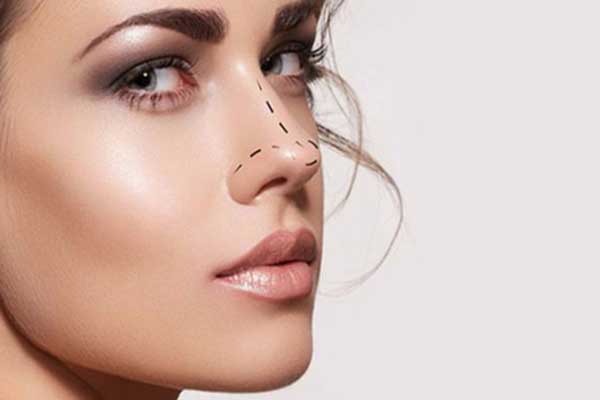
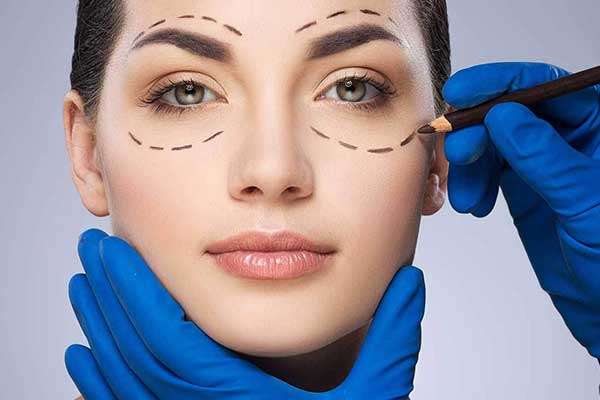
عمليات التجميل في تركيا – التكلفة و التقنيات و الانواع
في السنوات الأخيرة، حققت عمليات التجميل في تركيا شهرة عالمية لا مثيل لها. أصبحت تركيا وجهة رائدة للأشخاص الذين يسعون لتحقيق جمالهم الأمثل واستعادة ثقتهم بأنفسهم. هذه العمليات أصبحت منافسة قوية لدول عديدة، بما في ذلك أمريكا ودول أوروبا.
في هذا المقال الشامل، سنقدم لكم دليلاً شاملاً عن عمليات التجميل في تركيا. ستكتشفون مجموعة واسعة من العلاجات التجميلية والجراحية، بالإضافة إلى مميزاتها وأسعارها. سنكون بوصلتكم التوجيهية لرحلة تحقيق الصحة والرفاهية التي تستحقونها.
انطلقوا في رحلة استعادة الجمال والثقة بأنفسكم. تجربة تركيا لن تخيب آمالكم. ستستقبلكم فرق طبية عالية الكفاءة ومتخصصة في مجالات التجميل والتجميل الجراحي. تستخدم تلك الفرق أحدث التقنيات والمعدات الطبية المتطورة لضمان نتائج مذهلة وآمنة.
سواء كنتم تبحثون عن تجديد الشباب من خلال شد الوجه ورفع الجفون، أو إعادة تحديد ملامح الجسم من خلال عمليات شد البطن والتجميل السمنة، ستجدون كل ما تحتاجون إليه في تركيا. كما تتميز تركيا بتقديم خدمات التجميل غير الجراحية، مثل حقن البوتوكس والملء وعلاجات تجديد البشرة.
أنواع عمليات التجميل في تركيا
تعد عمليات التجميل في تركيا خيارًا ممتازًا للأشخاص الذين يسعون لتحسين مظهرهم واستعادة ثقتهم بأنفسهم. تعتمد هذه العمليات بشكل كبير على التقنيات المتقدمة والمعدات الحديثة لتحقيق تغييرات مذهلة وحل المشاكل المرتبطة بالجسم. يقوم الجراحون بإجراء قطع جراحية دقيقة باستخدام أدوات متخصصة لتحقيق أفضل النتائج.
تعد تركيا وجهة رائدة في عمليات التجميل الجراحية، وتحتل مكانة مرموقة في هذا المجال. لكن يجب على المرضى اختيار أطباء متميزين وذوي خبرة عالية في مجال الجراحة التجميلية، حيث تنطوي هذه العمليات على بعض المخاطر. تتمتع تركيا بتوافر العديد من الأطباء المتخصصين والماهرين في إجراء العمليات الجراحية التجميلية.
بالإضافة إلى ذلك، تتميز المراكز الطبية في تركيا بتقديم عمليات التجميل غير الجراحية التي تستند إلى الأساليب والتقنيات الحديثة. يمكن للمرضى الاستفادة من هذه العمليات بدون المخاطر أو الازعاج الناتج عن الجراحة التقليدية. تتوفر في تركيا حلول مبتكرة ومناسبة بسهولة ويسر لتحقيق النتائج المطلوبة.
عمليات التجميل الجراحية في تركيا
تشمل عمليات التجميل الجراحية في تركيا مجموعة متنوعة من الإجراءات، بما في ذلك جراحة تجميل الوجه، وشد الجسم، وزراعة الشعر، وتجميل الصدر، والتجميل الترميمي، وغيرها الكثير. تتمتع الفرق الجراحية في تركيا بالخبرة والمهارة العالية، وتستخدم أحدث التقنيات والتجهيزات الطبية لتحقيق أفضل النتائج.
إن اختيار تركيا لإجراء عملية تجميلية يضمن لك التجربة الشاملة والرعاية الفائقة. يتم تقديم الاستشارة الطبية المهنية والتخطيط الدقيق للعملية ومتابعة الرعاية اللاحقة بعناية فائقة. إضافة إلى ذلك، فإن تكلفة العمليات التجميلية في تركيا تكون أكثر فعالية من حيث التكلفة مقارنة بالعديد من الدول الأخرى.
أولا : جراحة تجميل الأنف في تركيا – التحسين الجمالي والوظيفي
تُعَد جراحة تجميل الأنف واحدة من العمليات الشائعة والمطلوبة في تركيا. تهدف هذه العملية الجراحية إلى تغيير شكل الأنف أو تصحيح العيوب الوظيفية والجمالية المتعلقة به. يتم تحقيق ذلك من خلال تعديل الأنف بتقنيات دقيقة تستهدف تحسين التنفس وحل المشاكل ذات الصلة.
تتوفر في تركيا تقنيات متعددة لجراحة تجميل الأنف، حيث يتم اختيار التقنية المناسبة وفقًا لاحتياجات المريض ومشكلته الخاصة. يمكن أن تشمل الإجراءات المتاحة:
- تعديل شكل الأنف الخارجي للحصول على مظهر مرغوب فيه.
- تصحيح الهيكل وتحسين وظيفة الأنف.
- تكبير أو تصغير الأنف بحسب الحاجة.
- تغيير شكل طرف الأنف.
- تصحيح عيب الأنف الأرنبي.
- علاج انحراف شكل الأنف الخارجي.
بفضل الخبرة والمهارة التي تتمتع بها الفرق الجراحية في تركيا، يمكن للمرضى الاعتماد على نتائج رائعة وطموحة. تحظى جراحة تجميل الأنف في تركيا بشعبية كبيرة، وذلك بفضل التطور التقني والتقدم الطبي المتواصل في هذا المجال.
ثانيا: عمليات تجميل الوجه في تركيا – تحقيق الجمال بأحدث التقنيات
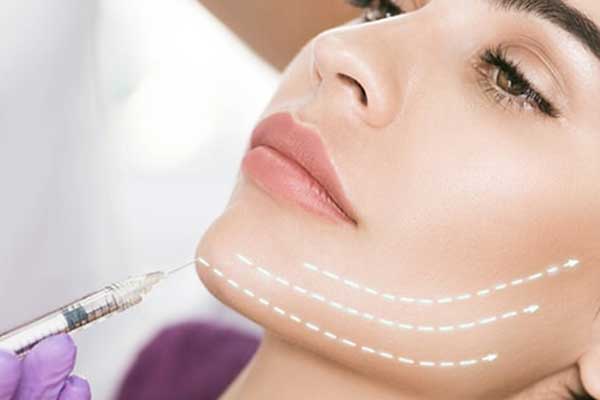
تُعَد تركيا وجهة رائدة لعمليات تجميل الوجه، حيث تقدم مجموعة متنوعة من الإجراءات باستخدام أحدث التقنيات المتاحة. يمكن الاستفادة في تركيا من مجموعة واسعة من عمليات تجميل الوجه، سواء كانت جراحية أو غير جراحية. ومن بين التقنيات المتاحة لتجميل الوجه في تركيا:
- عمليات شد الوجه الجراحية.
- رفع الحواجب.
- جراحة تجميل الأنف.
- عملية تجميل الأذن.
- عمليات تحسين مظهر الذقن.
- استخدام حقن الفيلر والبوتوكس لتجميل الوجه.
- شد الجبين.
- شد الوجه بواسطة الليزر والخيوط.
تتميز هذه التقنيات في تركيا بجودتها العالية وتوفرها بأسعار مناسبة. يمكن للمرضى الاستفادة من التقنيات الحديثة والمتطورة لتحقيق النتائج المرغوبة وتحقيق التجميل المثالي للوجه.
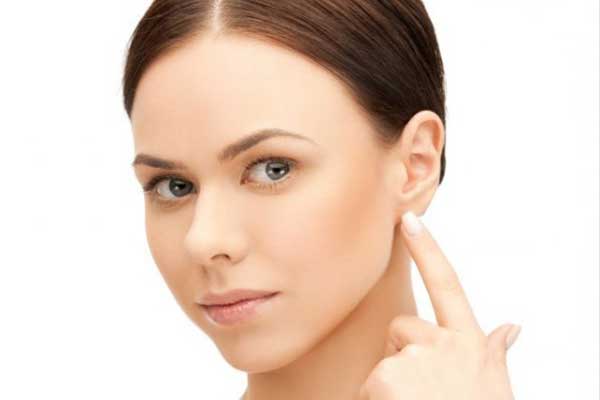
ثالثا : تجميل الأذن في تركيا حلول مبتكرة لمشاكل الشكل الخلقي
يعاني الكثير من الأشخاص من تشوهات خلقية في الأذن تؤثر على مظهرها الخارجي منذ الولادة. ولكن بفضل التقدم الكبير في مجال طب التجميل، يمكن لهؤلاء الأشخاص الحصول على حلاً لمشكلة تشوهات الأذن بكل سهولة. يتوفر في تركيا العديد من الإجراءات التجميلية للأذن، سواء على الأذنين الاثنتين أو واحدة منهما.
تتنوع أهداف جراحة تجميل الأذن، فهي تشمل تجميل الأذن البارزة للأشخاص الذين يعانون من هذه المشكلة، وتحسين شكل وحجم شحمة الأذن، وتعديل اتجاه الأذن، وتصحيح مستوى الأذنين معًا. تعد هذه المشكلات مصدر حرج وتأثر على ثقة الأشخاص، ولكن يمكنهم الحصول على حل مستدام من خلال جراحة تجميل الأذن.
استفد من الابتكارات والحلول المبتكرة التي تقدمها تركيا في مجال تجميل الأذن. تعمل الفرق الطبية المتخصصة على تحقيق نتائج رائعة وملموسة لتحسين مظهر الأذن بشكل طبيعي وتعزيز الثقة بالنفس لدى المرضى. اتخذ خطوة نحو الجمال واستعادة الثقة بنفسك من خلال جراحة تجميل الأذن في تركيا.
رابعا : تجميل الجسم في تركيا اكتشاف الجمال الداخلي والخارجي
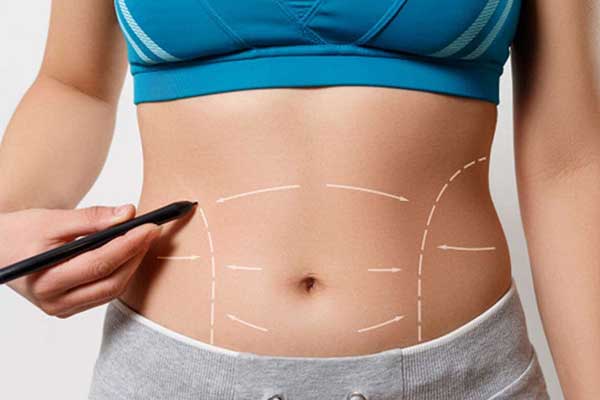
تُعَد عمليات تجميل الجسم خيارًا شائعًا للأشخاص الذين يسعون للحصول على شكل جسم مثالي ومتوازن. تتنوع أهداف عمليات تجميل الجسم وتشمل فقدان الوزن للأشخاص المصابين بالسمنة أو الوزن الزائد، وتحسين التشوهات أو العيوب الخلقية.
تُعَد عمليات تجميل الجسم عمليات شاملة تتناول مجموعة من المشاكل الظاهرة في الجسم التي تؤثر على جمال المظهر الخارجي وتؤثر على ثقة المرضى بأنفسهم. تختلف العمليات التي يتم إجراؤها على الجسم وفقًا للمنطقة التي تعاني من المشكلة، وقد يتم إجراء عمليات متعددة لعدة مناطق معًا. على سبيل المثال، يمكن استخدام تقنية الليزر لعملية نحت الجسم في عدة مناطق للتخلص من الدهون الزائدة.
إلى جانب ذلك، هناك تقنيات أخرى مثل شد الجسم، وشفط الدهون، وحقن الفيلر والبوتوكس التي تستخدم لتحسين مظهر الجسم وتعزيز جماله. تعتمد تلك التقنيات على التطورات الحديثة في مجال تجميل الجسم وتوفر نتائج مدهشة.
اكتشف في تركيا جمال جسمك الحقيقي واستعد للانبهار بالنتائج. توفر لك العمليات التجميلية في تركيا فرصة للتعبير عن الجمال الداخلي والخارجي، والاستمتاع بثقة تامة بنفسك. اتخذ خطوة نحو تحقيق الجمال الذي تصبو إليه واستمتع برحلة تحويلية لتحقيد الأناق
خامسا : جراحة تجميل المؤخرة في تركيا ابراز الأنوثة والجاذبية
تعتبر جراحة تجميل المؤخرة من العمليات التي تشهد زيادة في الاقبال من قبل النساء. إنها الطريقة المثلى للحصول على مؤخرة مشدودة وكبيرة، وهي موضة تعكس جمال الأنوثة وتتمتع بشعبية متزايدة.
على الرغم من المخاطر المرتبطة بهذه العملية، إلا أنها تحظى بشعبية كبيرة. تستغرق العملية عدة ساعات للحصول على الشكل المثالي المرغوب. عادةً ما يعاني النساء من ترهلات في منطقة المؤخرة، ولذا فإنهن يلجأن إلى إزالة تلك الدهون غير المرغوب فيها.
كما يلاحظ وجود ترهلات في منطقة البطن. يمكن تنسيق الجراحة للمؤخرة والبطن للتخلص من الدهون الزائدة وتحقيق النتائج المثالية. هناك أيضًا تقنيات أخرى مثل زراعة البدل أو حقن الدهون أو حقن حمض الهيالورونيك. تتم تحديد التقنية المناسبة وفقًا لمستوى المشكلة واحتياجات المريضة.
توفر جراحة تجميل المؤخرة في تركيا فرصة للنساء لتحقيق الأنوثة والجاذبية المطلوبة. اتخذي القرار واستعيدي الثقة بنفسك واستعد لاستقبال الإشادة بجمالك الجديد.
سادسا : تجميل المهبل في تركيا استعادة الثقة والراحة النفسية
تُعَد عملية تجميل المهبل من العمليات الشائعة والمطلوبة بين النساء. يعاني العديد من السيدات من مشكلة الترهل في المهبل، ويمكن أن يكون ذلك نتيجة لعدة عوامل مثل التهابات مزمنة، أو تأثيرات الولادة وعملية الشيخوخة.
تعمل عملية تجميل المهبل على تحسين شكل المهبل واستعادة وظيفته الطبيعية. يتم ذلك من خلال تصحيح المنطقة الفاصلة بين المستقيم والمهبل التي تم تمددها خلال الولادة الطبيعية أو لعلاج تشوهات الولادة. تُعَد هذه الإجراءات بسيطة ومخاطرها قليلة، وتستغرق وقتًا قصيرًا للتنفيذ.
بفضل تقنيات تجميل المهبل المتطورة المتاحة في تركيا، يمكن للنساء استعادة الثقة بأنفسهن وتحسين جودة حياتهن الجنسية. تعتني الفرق الطبية المتخصصة بتقديم الرعاية الفردية والتوجيه اللازم لكل مريضة لتحقيق أفضل النتائج وضمان راحة نفسية تامة.
استعيدي الثقة بجمالك الأنثوي واستمتع بحياة جنسية أكثر راحة ورضا. اكتشف في تركيا التجميل الحديث للمهبل وانطلق نحو مستقبل أكثر سعادة ورفاهية.
سابعا : تجميل الثدي في تركيا إبراز الأنوثة والجاذبية
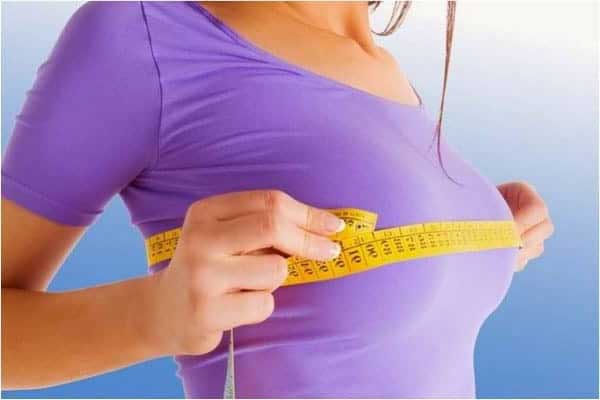
تعد عمليات تجميل الثدي من العمليات الشائعة والمطلوبة بين النساء. تلجأ العديد من السيدات إلى هذه العملية لتحقيق تغيير في شكل الثدي وجعله أكثر جمالاً وتناسقاً. تمنح عملية تجميل الثدي السيدة الثقة لارتداء الملابس التي تحبها والاستمتاع بثديين متناظرين.
بفضل عملية تجميل الثدي، يمكن للمرأة التمتع بالمظهر الجمالي لثديين جميلين وتعزيز رغبتها الجنسية. تتوفر عدة إجراءات لتجميل الثدي، بما في ذلك تكبير الثدي للنساء اللاتي يعانين من صغر حجم الثدي، وتصغير الثديين للحصول على حجم مناسب، وشد ورفع الثديين.
تتوفر تقنيات متعددة لكل إجراء، بما في ذلك العمليات الجراحية مثل زرع السيليكون لتكبير حجم الثدي، أو شفط الدهون في الثدي لتصغير حجمه، ويمكن أيضًا الجمع بين الجراحتين لتحقيق شد ورفع الثديين.
استعيدي الثقة بجمالك وانتعشي بثقة لا مثيل لها. توفر لك عمليات تجميل الثدي في تركيا الفرصة للتحقق من أحلامك وتحقيق النتائج التي تطمحين إليها. تفضلي بالاستشارة مع الفرق الطبية المتخصصة لتصميم خطة تجميلية مخصصة لتحقيق الجمال الذي تحلمين به.
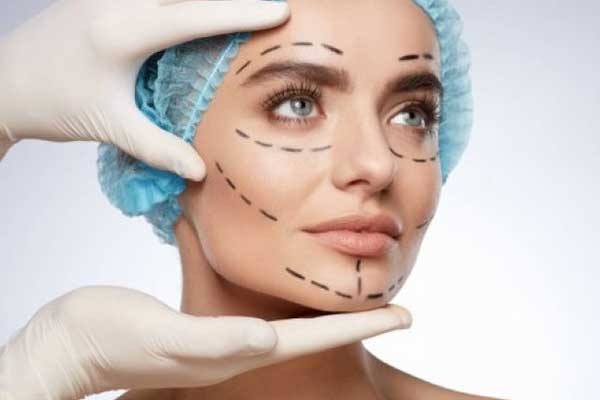
نصائح قبل إجراء عمليات التجميل في تركيا
نصائح هامة قبل إجراء عمليات التجميل في تركيا: استعد للتجميل الذي تحلم به
- البحث والاستشارة: قبل اتخاذ قرار إجراء عملية تجميلية في تركيا، قم بالبحث المكثف واطلع على تجارب المرضى السابقين وقم بمقابلة الأطباء والاستشاريين المعتمدين للحصول على آراءهم وتوصياتهم.
- اختيار الطبيب المتميز: اختر طبيبًا ذو خبرة وكفاءة عالية في مجال الجراحة التجميلية. تأكد من توافر شهاداته وتدريبه المتخصص، وتحقق من معرفة المرضى السابقين به وسمعته الممتازة.
- التواصل الجيد: تحدث مع الطبيب بصدق وصراحة حول توقعاتك ومخاوفك. اطرح الأسئلة واستفسر عن التفاصيل والمخاطر المحتملة. يجب أن يكون الطبيب قادرًا على توضيح كافة الجوانب المتعلقة بالعملية.
- التحضير الجسدي والنفسي: قم باتباع إرشادات الطبيب بدقة قبل العملية، وتجنب تناول المنبهات والأدوية التي يمكن أن تؤثر على الجراحة. كما ينصح بالحفاظ على نمط حياة صحي وممارسة التمارين البسيطة للحفاظ على لياقة جسدية جيدة.
- دعم الدعوم: قم بالحصول على دعم من أفراد العائلة والأصدقاء خلال فترة ما قبل وبعد العملية. يمكن للدعم العاطفي والمعنوي أن يلعب دورًا هامًا في التعافي الناجح.
- الاستعداد للتعافي: توقع أن تحتاج إلى وقت للتعافي بعد العملية. اتبع تعليمات الطبيب المعالج بدقة وخذ الراحة التامة. احرص على توفير بيئة مريحة وداعمة في المنزل، واستعد لتقديم المساعدة من قبل أفراد العائلة والأصدقاء.
- الاحتفاظ بتواصل واضح: ابق على اتصال مع الفريق الطبي المعالج وأبلغهم بأي تغيرات أو مشكلات تواجهها أثناء فترة التعافي. لا تتردد في طرح الأسئلة والمخاوف التي قد تنشأ، حيث سيكون الفريق الطبي على استعداد لتقديم الدعم والإرشاد.
- العناية بالنفس: لا تنسى أن تهتم بنفسك بعد العملية. اتبع نصائح الطبيب بشأن العناية بالجروح وتناول الأدوية الموصوفة. قم باتباع نظام غذائي صحي ومتوازن ومارس النشاط البدني المعتدل بعد استشارة الطبيب.
- الصبر والتفاؤل: يعتبر الصبر والتفاؤل أمرًا حيويًا خلال فترة التعافي. قد تحتاج إلى وقت لرؤية النتائج النهائية واستعادة كاملة للجسم. حافظ على التفاؤل وتذكر أن النتائج الإيجابية تأتي مع الوقت.
استعد للتجميل الذي طالما حلمت به، وتذكر أن هذه العمليات تساهم في تحسين ثقتك بنفسك وسعادتك العامة. انطلق بثقة واطمئنان، ففريق الرعاية الطبية في تركيا سيقدم لك الدعم والرعاية المهنية التي تحتاجها في رحلتك للجمال والتجديد.
نصائح بعد إجراء عمليات التجميل في تركيا
نصائح قيمة بعد إجراء عمليات التجميل في تركيا: انعمي بالتألق والثقة
- الاسترخاء والراحة: بعد إجراء العملية التجميلية في تركيا، قم بمنح جسدك وعقلك الراحة التامة. استرخِ في بيئة مريحة وضمِّن وجود الدعم من أفراد العائلة والأصدقاء.
- اتباع التعليمات: اتبع تعليمات الطبيب المعالج بدقة واهتم بعناية بالجروح واستبدال الضمادات حسب الحاجة. استخدم الأدوية الموصوفة بانتظام واستشر الطبيب إذا كانت هناك أي مخاوف أو استفسارات.
- الحفاظ على نظام غذائي صحي: تناول وجبات متوازنة وغنية بالعناصر الغذائية الضرورية لتعزيز عملية التعافي. تجنب الأطعمة الدسمة والمقلية واستبدلها بالفواكه والخضروات والبروتينات الصحية.
- الحفاظ على نظافة المنطقة المعالجة: اتبع الارشادات الصحية للحفاظ على نظافة المنطقة المعالجة. قم بتنظيفها بلطف وابقها جافة ونظيفة لتعزيز عملية الشفاء والوقاية من أي عدوى.
- المتابعة الدورية مع الطبيب: حافظ على المتابعة الدورية مع الطبيب المعالج لتقييم التقدم والتأكد من سلامة الشفاء. قم بمشاركة أي مشاكل أو تغيرات تحدث في الجسم مع الطبيب للحصول على المشورة اللازمة.
- الاهتمام بالجمال الداخلي: بالإضافة إلى الاهتمام بالجمال الخارجي، لا تنسى العناية بالجمال الداخلي. اعتنِ بصحتك العامة من خلال ممارسة التمارين البدنية المعتدلة وتناول الغذاء الصحي والمتوازن. امنح نفسك الوقت اللازم للاسترخاء والاستمتاع بالهوايات التي تسعدك. ابحث عن النشاطات التي تعزز الراحة النفسية وتساعدك على الشعور بالسعادة والتوازن.
- الدعم العاطفي: قد يكون التعافي بعد عملية التجميل الجراحية تحديًا عاطفيًا. اطلب الدعم من الأشخاص المقربين لك، وشارك مشاعرك ومخاوفك معهم. لا تتردد في البحث عن المساعدة من المستشارين أو الدعم النفسي إذا كانت هناك حاجة لذلك.
- توقع النتائج: يجب أن تكون عملية التجميل الجراحية في تركيا نقطة انطلاق لتحقيق النتائج التي تتمناها. كن صبورًا وتوقع أن تظهر النتائج بشكل تدريجي. استمتع بالتغيير الذي قمت به وتأكد من أنك تستحق الجمال والثقة الجديدة.
احتضن جمالك الجديد واستمتع بالتجميل الذي قدمته تركيا. تذكر دائمًا أنك تستحق أن تشعر بالسعادة والثقة بنفسك. استمتع بالنتائج ولا تتردد في إظهار جمالك الحقيقي للعالم.
مميزات إجراء عمليات التجميل في تركيا
إجراء عمليات التجميل في تركيا يأتي بالعديد من المميزات المذهلة التي تلهم الثقة والإعجاب:
- الخبرة والكفاءة: تتمتع تركيا بفريق طبي متميز وذو خبرة عالية في مجال التجميل الجراحي. الأطباء والجراحون المحترفون يتمتعون بتدريب شامل ومهارات استثنائية، مما يوفر النتائج المذهلة والمرضى الراضين.
- التقنيات المتطورة: تركيا معروفة بتبنيها لأحدث التقنيات والأدوات في مجال التجميل الجراحي. يتم استخدام المعدات المتطورة والتقنيات الحديثة لتحقيق أفضل النتائج وتقديم خدمة عالية الجودة للمرضى.
- السمعة العالمية: تتمتع تركيا بسمعة عالمية في مجال التجميل الجراحي. تعتبر وجهة مرغوبة للعديد من المرضى الذين يسافرون من جميع أنحاء العالم لإجراء عمليات التجميل هناك. هذا يعكس الثقة والاحترافية التي تتمتع بها المرافق الطبية في البلاد.
- التكلفة المناسبة: بالمقارنة مع البلدان الأخرى، تتميز تركيا بتقديم خدمات التجميل الجراحي بتكلفة مناسبة ومعقولة. يمكن للمرضى الحصول على العناية الطبية عالية الجودة والنتائج المرضية دون إرهاق الميزانية الخاصة بهم.
- الضيافة والرعاية: يُشعر المرضى في تركيا بالاهتمام والضيافة الفائقة. يتم توفير بيئة مريحة وداعمة للمرضى، حيث يتم استقبالهم بحرارة واحترام والاهتمام بكل تفصيلة لضمان راحتهم وسعادتهم.
عيوب إجراء عمليات التجميل في تركيا
على الرغم من مزايا إجراء عمليات التجميل في تركيا، ينبغي أيضًا أن نأخذ في الاعتبار بعض العيوب المحتملة:
- المخاطر الجراحية: مثل أي عملية جراحية أخرى، قد تحمل عمليات التجميل الجراحية في تركيا بعض المخاطر والمضاعفات المحتملة، مثل عدوى الجراحة ونزيف الجرح وتكتل الندبة. يجب أن يتم تقدير وإدراك هذه المخاطر قبل اتخاذ قرار الخضوع للعملية.
- عوامل التعافي: قد يتطلب التعافي من عملية التجميل الجراحية في تركيا وقتًا وجهدًا. قد يشعر المرضى بالألم والانزعاج خلال فترة التعافي وقد يتطلب استراحة ورعاية خاصة لاستعادة القوة والشفاء الكامل.
- عدم التوافق النهائي للنتائج: قد يواجه بعض المرضى عدم التوافق النهائي للنتائج المتوقعة بعد إجراء عملية التجميل الجراحية في تركيا. قد يكون هناك اختلافات في الشكل النهائي أو عدم الرضا التام عن النتائج. من الأهم توضيح التوقعات والتحدث بصراحة مع الطبيب قبل الإقدام على العملية.
- التحضير والسفر: يتطلب إجراء عملية التجميل الجراحية في تركيا التحضير المسبق والتخطيط للسفر. قد يشمل ذلك حجز الرحلات والإقامة والترتيبات اللوجستية الأخرى. يجب أن يكون العمل بالترتيبات اللازمة مرهقًا لبعض الأشخاص.
ثمن عمليات التجميل في تركيا
فيما يلي جدول تقريبي لأسعار بعض عمليات التجميل في تركيا والسعودية وبريطانيا والولايات المتحدة الأمريكية. يُرجى ملاحظة أن الأسعار قابلة للتغيير وتختلف من عيادة لأخرى وفقًا للموقع والمتخصص والتعقيد والعوامل الأخرى.
تكلفة جراحة تجميل الأنف:
- تركيا: تتراوح الأسعار بين 3,000 و 7,000 دولار أمريكي.
- السعودية: تتراوح الأسعار بين 4,000 و 8,000 دولار أمريكي.
- بريطانيا: تتراوح الأسعار بين 5,000 و 10,000 جنيه إسترليني.
- الولايات المتحدة: تتراوح الأسعار بين 6,000 و 12,000 دولار أمريكي.
أسعار تجميل الثدي (زراعة الثدي):
- تركيا: تتراوح الأسعار بين 3,500 و 7,000 دولار أمريكي.
- السعودية: تتراوح الأسعار بين 4,000 و 8,000 دولار أمريكي.
- بريطانيا: تتراوح الأسعار بين 5,000 و 10,000 جنيه إسترليني.
- الولايات المتحدة: تتراوح الأسعار بين 6,000 و 12,000 دولار أمريكي.
سعر شفط الدهون (الليبوسكشن):
- تركيا: تتراوح الأسعار بين 2,500 و 6,000 دولار أمريكي.
- السعودية: تتراوح الأسعار بين 3,000 و 7,000 دولار أمريكي.
- بريطانيا: تتراوح الأسعار بين 4,000 و 8,000 جنيه إسترليني.
- الولايات المتحدة: تتراوح الأسعار بين 5,000 و 10,000 دولار أمريكي.
ثمن عملية شد الوجه:
- تركيا: تتراوح الأسعار بين 3,500 و 8,000 دولار أمريكي.
- السعودية: تتراوح الأسعار بين 4,000 و 9,000 دولار أمريكي.
- بريطانيا: تتراوح الأسعار بين 5,000 و 12,000 جنيه إسترليني.
- الولايات المتحدة: تتراوح الأسعار بين 6,000 و 15,000 دولار أمريكي.
أسعار عمليا تجميل البطن (شد البطن):
- تركيا: تتراوح الأسعار بين 3,500 و 8,000 دولار أمريكي.
- السعودية: تتراوح الأسعار بين 4,000 و 9,000 دولار أمريكي.
- بريطانيا: تتراوح الأسعار بين 5,000 و 12,000 جنيه إسترليني.
- الولايات المتحدة: تتراوح الأسعار بين 6,000 و 15,000 دولار أمريكي.
تكاليف جراحة شد الذقن والرقبة:
- تركيا: تتراوح الأسعار بين 3,000 و 7,000 دولار أمريكي.
- السعودية: تتراوح الأسعار بين 4,000 و 8,000 دولار أمريكي.
- بريطانيا: تتراوح الأسعار بين 5,000 و 10,000 جنيه إسترليني.
- الولايات المتحدة: تتراوح الأسعار بين 6,000 و 12,000 دولار أمريكي.
تكلفة تجميل الشفاه:
- تركيا: تتراوح الأسعار بين 1,000 و 3,000 دولار أمريكي.
- السعودية: تتراوح الأسعار بين 1,500 و 4,000 دولار أمريكي.
- بريطانيا: تتراوح الأسعار بين 2,000 و 5,000 جنيه إسترليني.
- الولايات المتحدة: تتراوح الأسعار بين 2,500 و 6,000 دولار أمريكي.
زراعة الشعر:
- تركيا: تتراوح الأسعار بين 2,000 و 5,000 دولار أمريكي.
- السعودية: تتراوح الأسعار بين 3,000 و 7,000 دولار أمريكي.
- بريطانيا: تتراوح الأسعار بين 4,000 و 10,000 جنيه إسترليني.
- الولايات المتحدة: تتراوح الأسعار بين 5,000 و 12,000 دولار أمريكي.
جراحة تجميل العيون (تصحيح البصر):
- تركيا: تتراوح الأسعار بين 1,500 و 4,000 دولار أمريكي.
- السعودية: تتراوح الأسعار بين 2,000 و 5,000 دولار أمريكي.
- بريطانيا: تتراوح الأسعار بين 3,000 و 7,000 جنيه إسترليني.
- الولايات المتحدة: تتراوح الأسعار بين 4,000 و 9,000 دولار أمريكي.
- تجميل الأذن:
- تركيا: تتراوح الأسعار بين 1,500 و 3,500 دولار أمريكي.
- السعودية: تتراوح الأسعار بين 2,000 و 4,500 دولار أمريكي.
- بريطانيا: تتراوح الأسعار بين 3,000 و 6,000 جنيه إسترليني.
- الولايات المتحدة: تتراوح الأسعار بين 4,000 و 8,000 دولار أمريكي.
- تجميل المهبل:
- تركيا: تتراوح الأسعار بين 2,500 و 5,000 دولار أمريكي.
- السعودية: تتراوح الأسعار بين 3,000 و 6,000 دولار أمريكي.
- بريطانيا: تتراوح الأسعار بين 4,000 و 8,000 جنيه إسترليني.
- الولايات المتحدة: تتراوح الأسعار بين 5,000 و 10,000 دولار أمريكي.
- تجميل الجفون:
- تركيا: تتراوح الأسعار بين 1,500 و 4,000 دولار أمريكي.
- السعودية: تتراوح الأسعار بين 2,000 و 5,000 دولار أمريكي.
- بريطانيا: تتراوح الأسعار بين 3,000 و 7,000 جنيه إسترليني.
- الولايات المتحدة: تتراوح الأسعار بين 4,000 و 9,000 دولار أمريكي.
عمليات التجميل في تركيا غير الجراحية
عمليات التجميل في تركيا هي الحل الأمثل للحصول على تحسينات جمالية بدون الحاجة إلى جراحة تقشير الجلد أو قطع الأنسجة. تتميز هذه الإجراءات بالسهولة والسلامة والنتائج الفورية التي تلهم الإشراقة والثقة. وفي تركيا، تتوافر العديد من أنواع عمليات التجميل غير الجراحية، ومنها:
أولا : عمليات التجميل بالليزر
الليزر، هذه التقنية المذهلة التي تجمع بين الجمال والتقدم العلمي، تعد بوابة إلى عالم التجميل غير الجراحي في تركيا. بفضل الليزر، يمكن للنساء الاستمتاع بنتائج مذهلة وإشراقة لا مثيل لها.
من بين الاستخدامات المثيرة للإعجاب لليزر في عمليات التجميل، يأتي إزالة الشعر بكفاءة وفعالية لتحقيق بشرة ناعمة وخالية من الشعر غير المرغوب فيه. يعد هذا الحلاً الأمثل للسيدات اللواتي يسعين للتخلص من مشكلة نمو الشعر الزائد بصورة دائمة ومريحة.
بالإضافة إلى ذلك، يستخدم الليزر في عمليات إزالة الندبات وتحسين مظهر آثار الجروح بعد العمليات الجراحية. فهو يعمل على تنعيم الندبات وتحسين ملمس الجلد، مما يساعد على استعادة الجمال والثقة في النفس.
لا يتوقف الابتكار عند هذا الحد، بل تستمر الدراسات والاكتشافات لاستخدامات أخرى لأشعة الليزر في مجال التجميل. فإن استخدام الليزر يمنح المرضى تجربة رائعة وفعالة، مع نتائج تلمع بالجمال والتألق.
في تركيا، يتم تقديم العلاجات بالليزر بحرفية واهتمام فائق، حيث يتم تلبية احتياجات المرضى ومعالجتهم بروح الرعاية والتفاني. استعدوا لاستكشاف عالم التجميل الرائع الذي يتيحه الليزر في تركيا، حيث تلتقي العلم والجمال لترسم لكم صورة تفيض بالثقة والجاذبية.
ثانيا: حقن البوتكس
استعدوا للغوص في عالم التجميل الساحر باستخدام البوتكس في تركيا. إنها الطريقة الفعالة والسهلة للتخلص من التجاعيد واستعادة شباب بشرتكم بلمسة واحدة من السحر.
تستخدم حقن البوتكس لتنعيم الخطوط والتجاعيد الموجودة في منطقة الحاجبين والجبين، لتمنحكم ملامحًا أكثر شبابًا وإشراقًا. بفضل تركيبتها الفريدة التي تحتوي على سم البوتوكس، تعمل هذه الحقن على تخفيف التوتر في العضلات وتقليل انقباضها، مما يساهم في تنعيم التجاعيد وتقليل ظهورها.
وما يجعل عملية حقن البوتكس رائعة هو أنها تتم بسرعة وسهولة، حيث يتم إجراؤها بواسطة حقنة صغيرة وتحتاج إلى تخدير موضعي بسيط فقط. وما يميزها أيضًا هو أنها لا تستغرق وقتًا طويلًا لإكمالها، مما يجعلها الخيار المثالي للسيدات النشطات اللواتي يبحثن عن نتائج فورية ودون إرباك في جدول أعمالهن المزدحم.
استعدوا للاستمتاع بالتجميل الفعال والسريع باستخدام البوتكس في تركيا، حيث تجتمع التكنولوجيا الحديثة والاهتمام الفائق بالجمال لتقدم لكم تجربة لا تنسى. اعتنوا ببشرتكم واستعيدوا الشباب والثقة بلمسة سحرية من البوتكس.
ثالثا : حقن الفيلر
انغمسوا في عالم الجمال والتألق باستخدام الفيلر في عمليات التجميل في تركيا. إنه الخيار الرائع والفعّال لتحسين مظهركم وإعطاء بشرتكم النعومة والحيوية التي تحلمون بها.
يتوفر الفيلر بنوعين، الأول يمنحكم نتائجًا مؤقتة والثاني يوفر نتائج دائمة. وعلى الرغم من ذلك، ينصح الأطباء عادة باستخدام الفيلر ذي النتائج المؤقتة نظرًا للمخاطر المنخفضة المرتبطة به. يستخدم الفيلر بشكل شائع في تنميق الشفاه وتحسين ملامح الوجه، حيث يتم حقنه بدقة في المنطقة المرغوبة للعلاج.
تتميز عمليات التجميل بالفيلر بنتائجها الفورية والمرضية. ستلاحظون تحسنًا ملحوظًا في مظهركم وتوهج بشرتكم بعد العلاج. وما يجعلها مثالية هو أنها إجراء غير جراحي، وبالتالي لا تتطلب وقتًا طويلًا للتعافي أو تدخلًا جراحيًا.
استعيدوا الثقة والجاذبية مع عمليات التجميل باستخدام الفيلر في تركيا. تمتعوا بنتائج سريعة وطبيعية، واستعدوا لتحقيق تألق لا مثيل له. دعوا خبراء التجميل يعملون على تحقيق توازنٍ رائعٍ بين جمالكم الداخلي والخارجي من خلال الفيلر المدهش.
رابعا : التجميل بالخيوط الذهبية
عمليات التجميل باستخدام الخيوط الذهبية في تركيا. إنها تقنية مذهلة وسهلة تستخدم لتحسين مظهر الوجه وتحقيق الشباب والإشراقة.
تتكون الخيوط الذهبية من خيوط رفيعة تصنع من الذهب بسمك 0.1 ملم. تُدخل هذه الخيوط تحت طبقة الجلد، بين الدهون والأنسجة، بواسطة إبر خاصة. تعمل الخيوط على تحفيز إنتاج الكولاجين والألياف وتعزيز بناء أنسجة جديدة في الجلد. وهي أيضًا تعمل على تجديد البشرة والتخلص من الترهلات والتجاعيد المزعجة التي تؤثر على جمال الوجه.
استعيدوا شبابكم وجاذبيتكم مع عمليات التجميل باستخدام الخيوط الذهبية. تمتعوا ببشرة مشدودة ومظهر شبابي متألق، واستعيدوا الثقة بأنفسكم. اكتشفوا سحر الذهب وتألقوا بأفضل إصداراتكم مع هذه التقنية المدهشة في تركيا.
خامسا : الليزر الكربوني
بشرة متألقة وصافية مع عمليات التجميل باستخدام الليزر الكربوني في تركيا. هذه التقنية الحديثة والمبتكرة تعمل على تجديد وتحسين حالة البشرة.
في هذه العمليات، يتم وضع طبقة رقيقة من جزيئات الكربون على البشرة، ثم يتم تسليم أشعة الليزر ذات الموجة الطويلة على البشرة. يتم تكرار هذه العملية مرتين، مرة بأشعة طويلة ومرة بأشعة قصيرة. تعمل هذه العملية على تدمير الخلايا التالفة وتحفيز تجدد البشرة.
استعيدوا جمال بشرتكم واحصلوا على نضارة وصفاء مثاليين مع عمليات التجميل باستخدام الليزر الكربوني. اتركوا العمل للتقنية الحديثة والمتطورة واستعيدوا الثقة بمظهركم الجميل والشبابي. اكتشفوا فوائد هذه العمليات وتمتعوا ببشرة مشعة ومتألقة في تركيا.
سادسا : التقشير الكيميائي
جمال بشرتكم وتحقيق تألق مثالي مع التجميل باستخدام التقشير الكيميائي في تركيا. هذه التقنية الحديثة والمبتكرة تعمل على تجديد وتحسين حالة البشرة بطرق فعالة وملموسة.
في هذه العمليات، يتم استخدام تركيبة مميزة تحتوي على مواد كيميائية متنوعة. تعمل هذه المواد على إزالة الخلايا الميتة والتراكمات الدهنية من البشرة، مما يؤدي إلى تقشيرها بشكل متفاوت. هذا التقشير يحسن مظهر البشرة ويساعد في التخلص من البقع الداكنة وتصغير حجم المسام.
التقشير الكيميائي يمكن استخدامه لتجميل الوجه واليدين والجسم بشكل عام. يتم توزيع التركيبة الكيميائية بدقة على المناطق المستهدفة، وذلك بناءً على نوع البشرة والمشكلة المرغوب في علاجها.
استعيدوا جمال بشرتكم واحصلوا على بشرة صحية ومشرقة مع التجميل باستخدام التقشير الكيميائي في تركيا. اكتشفوا فوائد هذه العمليات واستمتعوا بإشراقة جديدة لبشرتكم. اتركوا العمل للتقنية الحديثة واستمتعوا بنتائج مذهلة تدوم طويلاً. اجعلوا بشرتكم تتألق بجمالها وانتعاشها في تركيا.
سابعا : التجميل باستخدام الهيالورونيك
تجميل بشرتكم مع عمليات التجميل باستخدام الهيالورونيك في تركيا. إن الهيالورونيك هو مادة طبيعية موجودة في جسمنا، ويتم استخلاصها وتجهيزها للاستخدام الطبي. يعمل الهيالورونيك على دعم الأنسجة وإعطائها الحيوية والنشاط اللازمين.
تظهر نتائج استخدام الهيالورونيك بشكل إيجابي على البشرة. يمنح الوجه النضارة والمرونة، ويقضي على التجاعيد والعلامات التي تظهر مع التقدم في العمر. يعد الهيالورونيك بديلاً فعالًا للإجراءات التجميلية الجراحية التي تتطلب وقتًا طويلًا للانتعاش.
استعيدوا ثقتكم بنفسكم واستعدوا للظهور بإطلالة رائعة ومشرقة. اختاروا عمليات التجميل باستخدام الهيالورونيك في تركيا لتحقيق تأثيرات مذهلة وطبيعية على بشرتكم. استعيدوا جمالكم وابتسامتكم الشبابية وتألقوا بثقة في كل مناسبة. فريق الخبراء والأطباء المتميزين في تركيا سيكونون بجانبكم لتحقيق أحلامكم وتلبية توقعاتكم. استمتعوا بالمظهر الرائع والإشراقة التي ستميزكم بين الجميع.
ثامنا : التقشير الماسي
نعومة بشرتكم مع عمليات التجميل باستخدام التقشير الماسي. يعتبر التقشير الماسي من التقنيات الحديثة التي يمكن استخدامها لتجميل البشرة والجسم. يساعد في إزالة الخلايا الميتة وتحسين مظهر البشرة بشكل ملحوظ.
تتم العملية باستخدام جهاز يحتوي على قمة ماسية دقيقة يتم توجيهها على البشرة المستهدفة. لا تتطلب العملية التخدير ولا تستغرق وقتًا طويلاً، مما يجعلها إجراءًا مريحًا وفعالًا.
استعيدوا نضارة وإشراقة بشرتكم بطريقة آمنة وفعالة. يمنحكم التقشير الماسي نتائج فورية وملموسة، بدون حاجة إلى فترة نقاهة طويلة. كما أن تكلفتها مقبولة نسبيًا، مما يجعلها خيارًا مناسبًا للعديد من الأشخاص.
تاسعا : حقن البلازما
نضارة بشرتكم من خلال التجميل باستخدام حقن البلازما. تعتبر حقن البلازما واحدة من الطرق السهلة والمفضلة للعديد من المرضى في عمليات التجميل.
تتم عملية حقن البلازما باستخدام البلازما الغنية بالصفائح الدموية، وذلك عن طريق استخراج الدم من جسم المريض وفصل مكوناته. بعد ذلك، يتم حقن البلازما التي تحتوي على الصفائح الدموية في المناطق المراد علاجها، مثل الوجه أو الشعر.
تتميز حقن البلازما بأنها عملية بسيطة وآمنة، ولا تستغرق وقتًا طويلًا. تعمل الصفائح الدموية على تجديد وتجدد الأنسجة، وتحفز إنتاج الكولاجين والإيلاستين، مما يساهم في تحسين مرونة ونضارة البشرة.
عاشرا حقن الكولاجين:
تُعد حقن الكولاجين من أساليب التجميل الشائعة والمفيدة في تحسين مظهر البشرة وإعادة شبابها. تتم عملية حقن الكولاجين بحقن جرعات صغيرة من الكولاجين في البشرة. تساعد حقن الكولاجين في ترطيب البشرة وتحسين مرونتها وملمسها. تعمل الجزيئات الدقيقة للكولاجين على ملء التجاعيد والخطوط الدقيقة، مما يعزز مظهر البشرة بشكل عام. تعتبر عملية حقن الكولاجين غير جراحية وتستغرق وقتًا قصيرًا.
استمتع ببشرة ناعمة وشابة مع حقن الكولاجين. اكتشف فوائدها في تحسين مرونة وتجانس البشرة واستعد شبابها. ضع ثقتك في الأطباء المتخصصين في هذا المجال لضمان النتائج الأمثل. اجعلي بشرتك تتألق بالجمال والنضارة.
تكلفة عمليات التجميل غير الجراحية في تركيا
أسعار بعض عمليات التجميل في تركيا المشهورة في تركيا والسعودية وبريطانيا والولايات المتحدة الأمريكية:
الليزر:
- تركيا: تتراوح الأسعار بين 100 و 500 دولار أمريكي للجلسة الواحدة، وقد يتطلب العلاج عدة جلسات.
- السعودية: تتراوح الأسعار بين 150 و 600 دولار أمريكي للجلسة الواحدة، وقد يتطلب العلاج عدة جلسات.
- بريطانيا: تتراوح الأسعار بين 200 و 800 جنيه إسترليني للجلسة الواحدة، وقد يتطلب العلاج عدة جلسات.
- الولايات المتحدة: تتراوح الأسعار بين 300 و 1,000 دولار أمريكي للجلسة الواحدة، وقد يتطلب العلاج عدة جلسات.
البوتوكس:
- تركيا: تتراوح الأسعار بين 200 و 500 دولار أمريكي للمنطقة الواحدة.
- السعودية: تتراوح الأسعار بين 250 و 600 دولار أمريكي للمنطقة الواحدة.
- بريطانيا: تتراوح الأسعار بين 300 و 800 جنيه إسترليني للمنطقة الواحدة.
- الولايات المتحدة: تتراوح الأسعار بين 400 و 1,000 دولار أمريكي للمنطقة الواحدة.
الفيلر والكولاجين:
- تركيا: تتراوح الأسعار بين 200 و 600 دولار أمريكي للحقنة الواحدة.
- السعودية: تتراوح الأسعار بين 250 و 800 دولار أمريكي للحقنة الواحدة.
- بريطانيا: تتراوح الأسعار بين 300 و 1,000 جنيه إسترليني للحقنة الواحدة.
- الولايات المتحدة: تتراوح الأسعار بين 400 و 1,200 دولار أمريكي للحقنة الواحدة.
تقنيات أخرى غير جراحية (مثل البلازما الغنية بالصفائح والميزوثيرابي):
- تركيا: تتراوح الأسعار بين 200 و 800 دولار أمريكي للجلسة الواحدة.
- السعودية: تتراوح الأسعار بين 250 و 1,000 دولار أمريكي للجلسة الواحدة.
- بريطانيا: تتراوح الأسعار بين 300 و 1,200 جنيه إسترليني للجلسة الواحدة.
- الولايات المتحدة: تتراوح الأسعار بين 400 و 1,500 دولار أمريكي للجلسة الواحدة.
عمليات التجميل في تركيا سواء الجراحية أو غير الجراحية تعتبر من أفضل العمليات حول العالم لتكلفتها الرخيصة وخبرة أطباء التجميل فيها كما تعتبر تركيا من أفضل دول العالم في مجال السياحة العلاجية.